
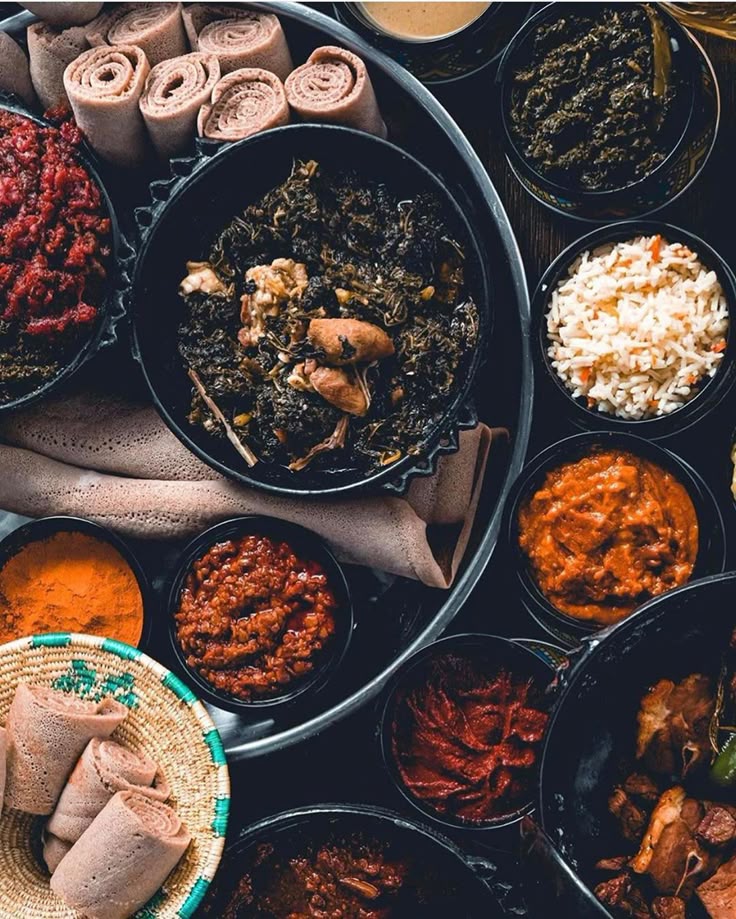
Eat Like a Local
Discover the rich, vibrant flavors of traditional Ethiopian cuisine.
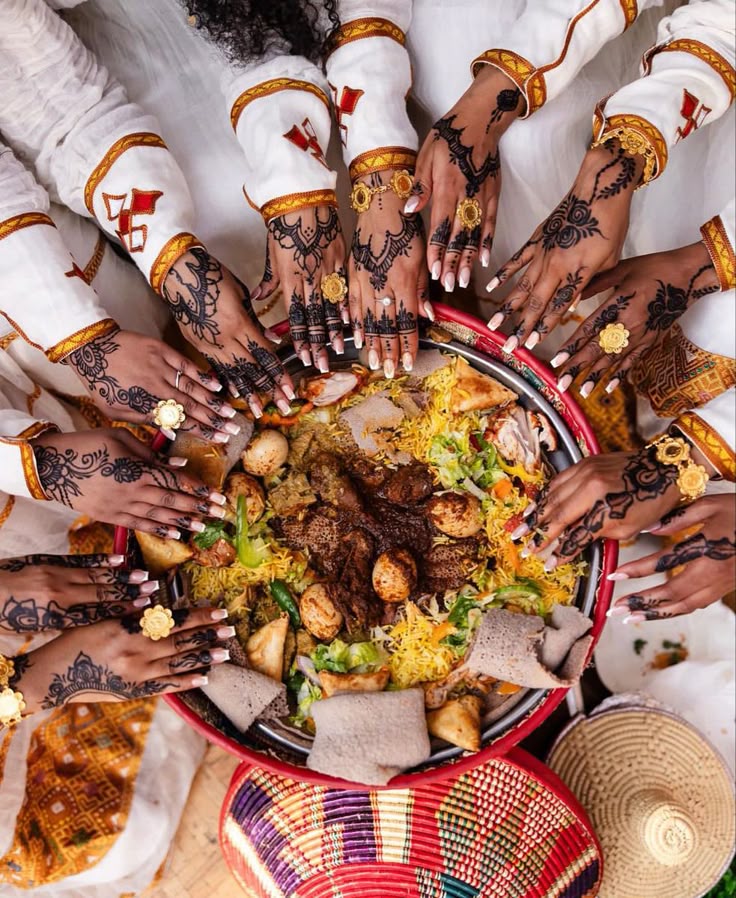
More Than Just a Meal
Ethiopian food is famously distinctive deeply flavored stews called Wat, served atop a spongey, tangy flatbread called Injera, eaten entirely with your hands. No utensils needed, and no formality required.
Dining here is an entirely communal experience. Large shared platters arrive at the table and everyone tears in together. The act of tearing a piece of injera, scooping up stew, and hand- feeding it to a loved one called Gursha is one of Ethiopia's most beautiful expressions of affection.
 Recipe.jpg)
The Foundation: Injera
At the heart of every meal is Injera made from Teff, an ancient, iron-rich grain unique to Ethiopia. This fermented sourbread acts as your plate, your fork, and a flavour component in itself its gentle tang cuts perfectly through the richness of the stews. Teff is naturally gluten-free and nutrient-dense, making Ethiopian food as healthy as it is delicious.
🌿 A Heaven for Vegans
Thanks to Ethiopia's Ethiopian Orthodox fasting tradition observed up to 200 days a year the country accidentally became one of the world's best vegan food destinations.
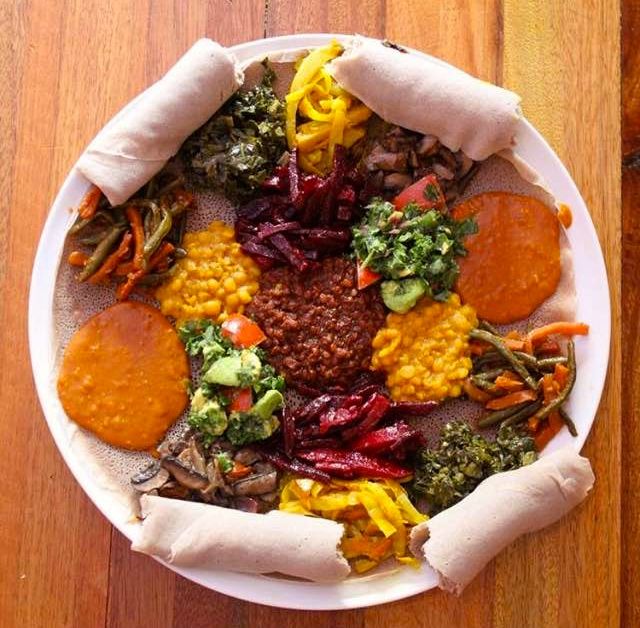
Beyaynet
The ultimate vegan platter a colorful spread of lentil, chickpea, and vegetable stews arranged on a single injera. A feast for the eyes and the stomach.
Shiro Wat
A silky, deeply spiced chickpea or broad-bean stew. Ethiopia's comfort food. Rich, aromatic, and endlessly satisfying.
Misir Wat
Red lentils slow cooked in berbere spice. Bold, earthy, and warming a permanent fixture on every fasting menu.
Fosolia & Gomen
Green beans sautéed with carrots, and spiced collard greens cooked with garlic and ginger. Simple, bright, and delicious.
.jpg)
During the fasting periods, every restaurant in the country shifts to a purely plant-based menu. Even roadside stalls and tiny rural kitchens serve a stunning array of vegan dishes prepared with remarkable depth of flavour.
Fasting food (Ye-Tsom Migib) is available year-round at most restaurants, and travellers consistently describe it as one of their biggest surprises they didn't expect the vegan food to be this good.
🥩 Spoilt for Meat Lovers
If you eat meat, get ready. Ethiopian meat dishes are bold, generously spiced, and prepared with a care that turns every meal into an occasion.
Doro Wat
The national dish a deeply spiced chicken stew slow-cooked for hours in berbere and niter kibbeh (spiced clarified butter), topped with a whole hard-boiled egg.
Tibs
Sizzling cubes of beef or lamb, pan-fried with onions, garlic, jalapeños, and rosemary. Often served in a clay pot over live coals at the table.
Kitfo
Ethiopia's answer to steak tartare. Minced raw or lightly warmed beef seasoned with mitmita spice and spiced butter. Absolutely extraordinary when prepared well.
Tere Siga
Raw beef, served fresh and cut to order. A delicacy reserved for celebrations and a rite of passage for adventurous food lovers.
.jpg)
Ethiopian meat cookery is defined by berbere a complex chilli spice blend of over a dozen ingredients and niter kibbeh, a clarified butter infused with aromatics. Together they create layers of flavour that are utterly unlike anything else.
Meat dishes are often the centrepiece of celebrations and family gatherings. Being invited to share in one is a genuine honour, and something many travellers describe as a trip highlight.
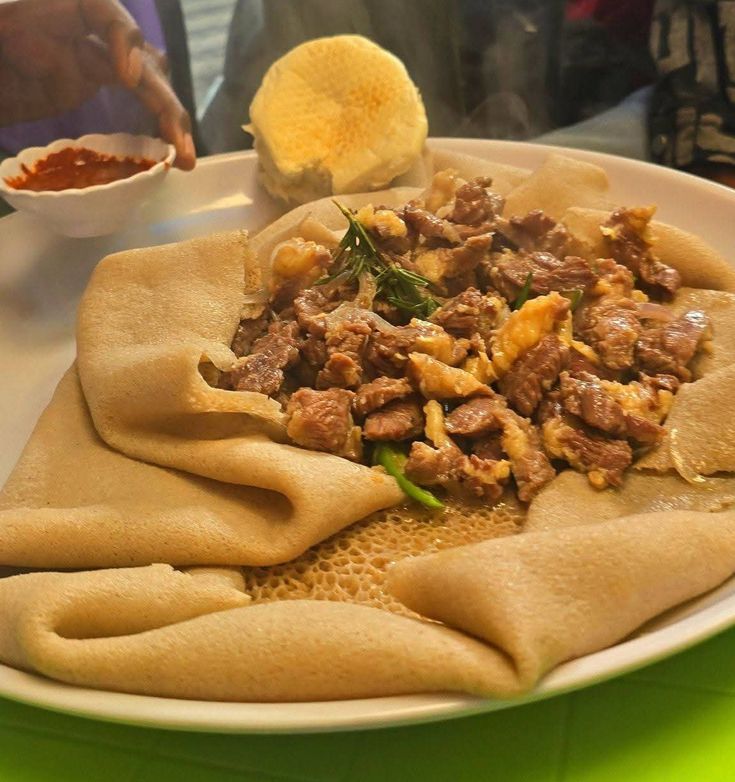
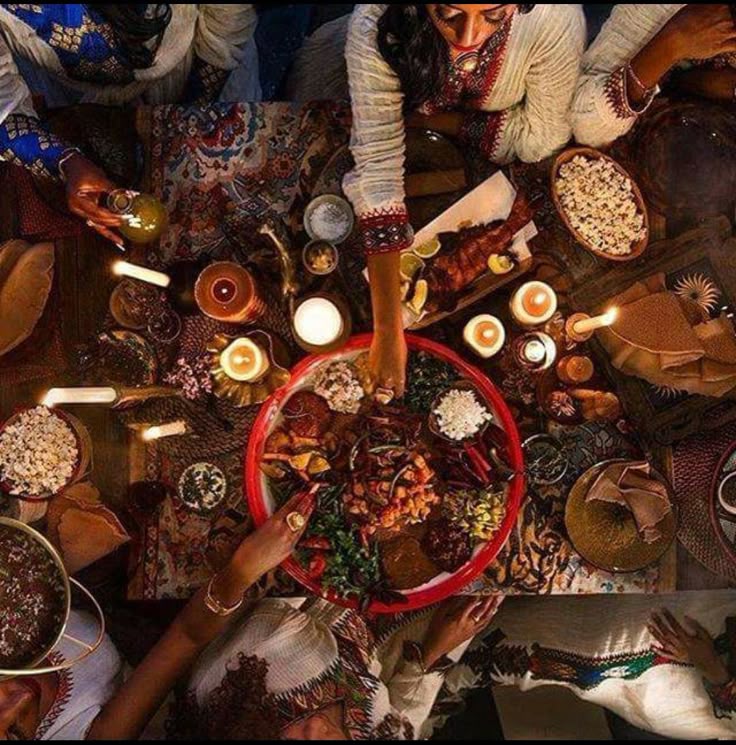
Food Brings People Together
In Ethiopia, no one eats alone. Whether you're at a family home in Gondar, a restaurant in Addis Ababa, or a roadside kitchen in the Omo Valley, the table is always shared. Come hungry, come curious and leave having understood something profound about Ethiopian hospitality.
Ready to Taste Ethiopia?
Let us include an authentic culinary experience in your itinerary from cooking classes to curated restaurant nights.
Plan my trip